
Vaping and Young People: What Parents Need to Know

Over the past decade, vaping has become increasingly popular, often marketed as a safer alternative to smoking and promoted through appealing flavours and sleek devices. It can seem harmless at first glance. However, growing research suggests that vaping carries significant health risks that should not be ignored.
Vaping has become increasingly common among teenagers and young adults, with many young people viewing it as harmless or “just flavoured water vapour.” However, growing evidence suggests that vaping can have serious impacts on a young person’s health, wellbeing, and development.
As a parent, understanding the risks of vaping can help you have informed, supportive conversations with your child and recognise the signs that they may be experimenting with or regularly using vape products.
What is Vaping exactly?
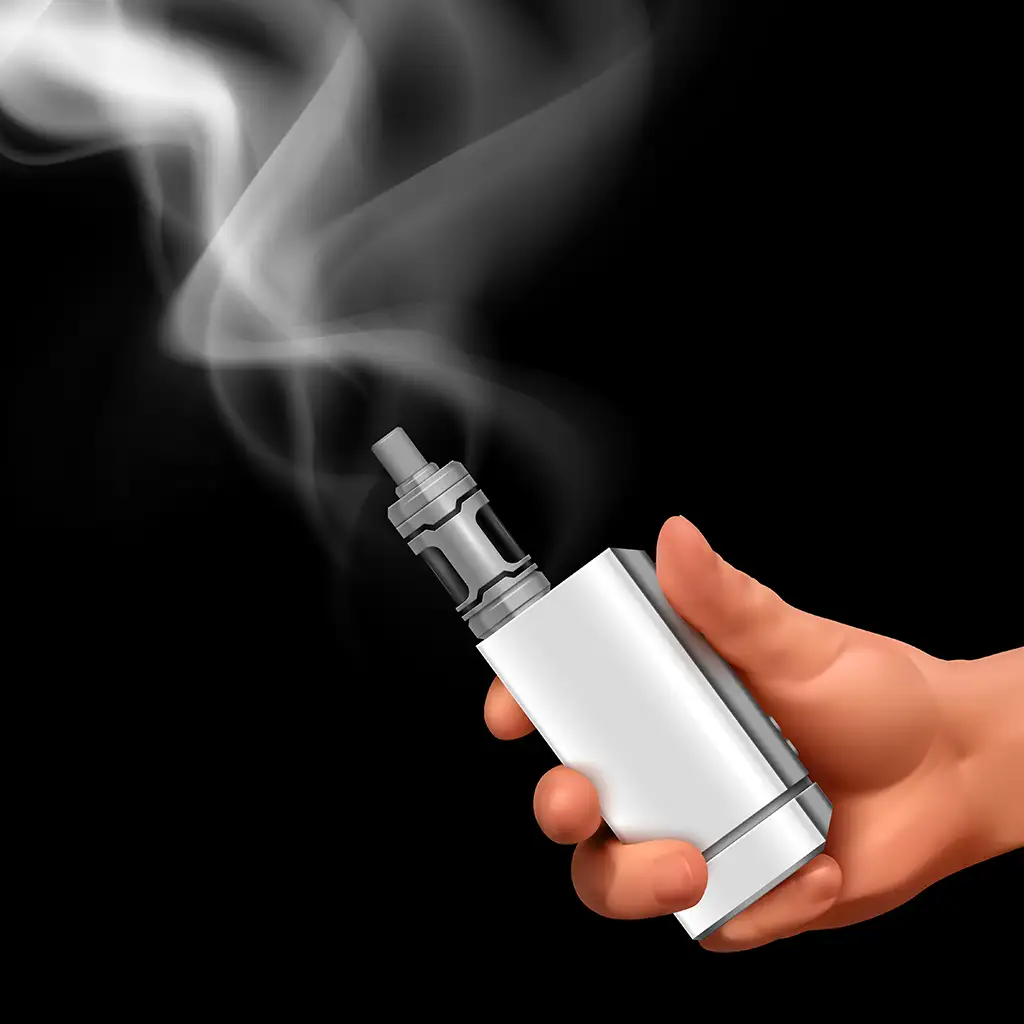
Vaping involves inhaling an aerosol, often referred to as “vapour,” produced by an electronic cigarette (e-cigarette) or vape device. These devices heat a liquid that typically contains nicotine, flavourings, and various chemicals. While vaping does not involve burning tobacco like traditional cigarettes, it is far from risk-free.
Why Are Young People Vaping?
Vapes are often marketed in ways that appeal to younger audiences. Attractive flavours, colourful packaging, social media influence, and peer pressure can all contribute to vaping becoming popular among teenagers.
Many young people report vaping because:
- Their friends are doing it
- They are curious
- They believe it is safe
- They enjoy the flavours
- They think it helps with stress or anxiety
- They are unaware of the potential health risks
Unfortunately, many adolescents do not fully understand what is contained in vape products or how quickly nicotine addiction can develop.
The Risks of Vaping for Young People
Nicotine Addiction
Many vape products contain nicotine, one of the most addictive substances available. Young people can become dependent on nicotine much faster than adults.
Nicotine addiction can lead to:
- Strong cravings
- Difficulty concentrating without vaping
- Irritability and mood changes
- Increased anxiety when unable to vape
- Ongoing dependence into adulthood
Effects on the Developing Brain
The human brain continues developing until approximately 25 years of age. Nicotine exposure during adolescence may affect:
- Memory and learning
- Attention and concentration
- Decision-making skills
- Emotional regulation
- Impulse control
These developmental changes may have lasting effects on a young person’s wellbeing and future health.
Lung and Breathing Problems
Vaping introduces a variety of chemicals into the lungs. Research has linked vaping to inflammation of the airways, reduced lung function, chronic coughing, wheezing, and breathing difficulties. In severe cases, vaping has been associated with serious lung injuries requiring hospitalisation. Young people may experience:
- Persistent coughing
- Wheezing
- Shortness of breath
- Chest discomfort
- Reduced fitness and athletic performance
Some vaping-related lung injuries have been severe enough to require hospital treatment.
Mental Health Concerns
Many young people believe vaping helps them manage stress. However, nicotine addiction can actually contribute to:
- Increased anxiety
- Mood swings
- Irritability
- Sleep difficulties
- Dependence on vaping to cope with emotions
This can create a cycle where vaping temporarily relieves nicotine withdrawal symptoms but ultimately contributes to ongoing stress.
Exposure to Harmful Chemicals
Despite common misconceptions, vape aerosols are not simply “water vapour.” They can contain potentially harmful substances including:
- Heavy metals such as lead, nickel, and tin
- Volatile organic compounds
- Ultrafine particles that can penetrate deep into the lungs
- Chemicals linked to respiratory irritation and disease
Long-term exposure to these substances remains an area of ongoing research, but current evidence suggests significant health concerns.
Cardiovascular Effects
Nicotine and other chemicals found in vape products can increase heart rate and blood pressure. Over time, these effects may contribute to cardiovascular disease, increasing the risk of heart attacks and strokes.

Signs Your Child May Be Vaping
Parents may notice:
- Sweet or fruity scents on clothing or in bedrooms
- Increased thirst or dry mouth
- Frequent coughing
- Unfamiliar USB-like devices or cartridges
- Mood changes or irritability
- Spending more money than usual
- Wanting privacy more than usual around bags, pockets, or devices
While these signs do not always indicate vaping, they may warrant a conversation.
How to Talk to Your Child About Vaping
Open, non-judgemental communication is often more effective than punishment alone.
Consider:
Stay Calm
If you discover your child is vaping, try to remain calm. An angry reaction may discourage future conversations.
Be Curious
Ask questions such as:
- “What have you heard about vaping?”
- “Do many people at school vape?”
- “What do you think the risks are?”
- “Have you ever felt pressured to try it?”
Focus on Health, Not Fear
Young people often respond better to honest information than scare tactics. Discuss how vaping can affect sport, fitness, concentration, mood, and long-term health.
Listen without Judgement
Creating a safe space for discussion increases the likelihood that your child will seek support if they need help.
Supporting a Young Person to Quit
If your child is already vaping, remember that nicotine addiction can make quitting difficult.
Helpful strategies may include:
- Setting realistic goals
- Identifying triggers for vaping
- Encouraging healthy coping strategies for stress
- Seeking support from a GP or healthcare professional
- Accessing counselling or wellbeing services if needed
The earlier a young person stops vaping, the greater the opportunity to reduce long-term health risks.
Why Vaping is Particularly Concerning for Young People
Young brains continue developing into the mid-twenties. Nicotine exposure during this critical period may affect memory, concentration, learning, and emotional regulation. The appealing flavours and social acceptance of vaping have contributed to increasing rates of use among young people, raising concerns about a new generation becoming addicted to nicotine.
Other Disadvantages of Vaping
Beyond health concerns, vaping can have several practical and social drawbacks:
Financial Cost
While vaping may initially seem cheaper than smoking, ongoing purchases of devices, pods, liquids, and accessories can become expensive over time.
Environmental Impact
Disposable vape devices contribute significantly to electronic waste. Many contain batteries, plastics, and chemicals that can harm the environment when not disposed of properly.
Reduced Physical Performance
Many users report reduced exercise tolerance, shortness of breath, and decreased stamina. This can affect participation in sports, fitness activities, and everyday physical tasks.
Reduced Physical Performance
Vaping restrictions are becoming increasingly common in workplaces, schools, public spaces, and healthcare settings. Nicotine dependence may also interfere with daily routines and social activities.
Final Thoughts
Vaping is not a harmless trend. While many young people perceive it as safe, the evidence increasingly shows that vaping can impact physical health, brain development, mental wellbeing, and future nicotine dependence.
As a parent, one of the most powerful tools you have is conversation. By staying informed, approachable, and supportive, you can help your child make healthier choices and navigate the pressures they may face around vaping.
Early awareness and open communication can make a significant difference in protecting the health and wellbeing of young people.
If you’d like to find out more about One Central Health, contact us today via our enquiry form or by calling (08) 9344 1318.
ALL Images Courtesy of FREEP!K/Magnific