
Early Signs of an Eating Disorder: What Parents Should Know

I know how hard it can be to recognise when normal dieting or body image concerns cross the line into something more serious. Early detection of eating disorders can make a huge difference in outcomes, so here’s a practical, evidence-based guide for parents on what to watch for, and when to reach out.
Why Early Signs of an Eating Disorder Matter
- Research shows the incidence of early-onset eating disorders (in children aged 5–13) in Australia has nearly doubled in the last ten years (Morris et al., 2022).
- Yet, research indicates parents often report a delay between noticing warning signs and actually seeking help (Pennesi et al., 2025).
- The sooner an eating disorder is identified and treated, the better the long-term outcomes (Koreshe et al., 2023).
What Early Warning Signs of an Eating Disorder Look Like (Based on Real-World Parent / Caregiver Insights)
A recent realist synthesis (qualitative research combining many sources) identified common early-warning signs of eating disorders in children (Pennesi et al., 2025). These included:
- Compulsive or excessive exercise
- Weight loss (or failure to gain expected weight)
- Preoccupation with food (thinking, preparing, or talking about food a lot)
- Cutting out major food groups (e.g., carbs, meat, dairy)
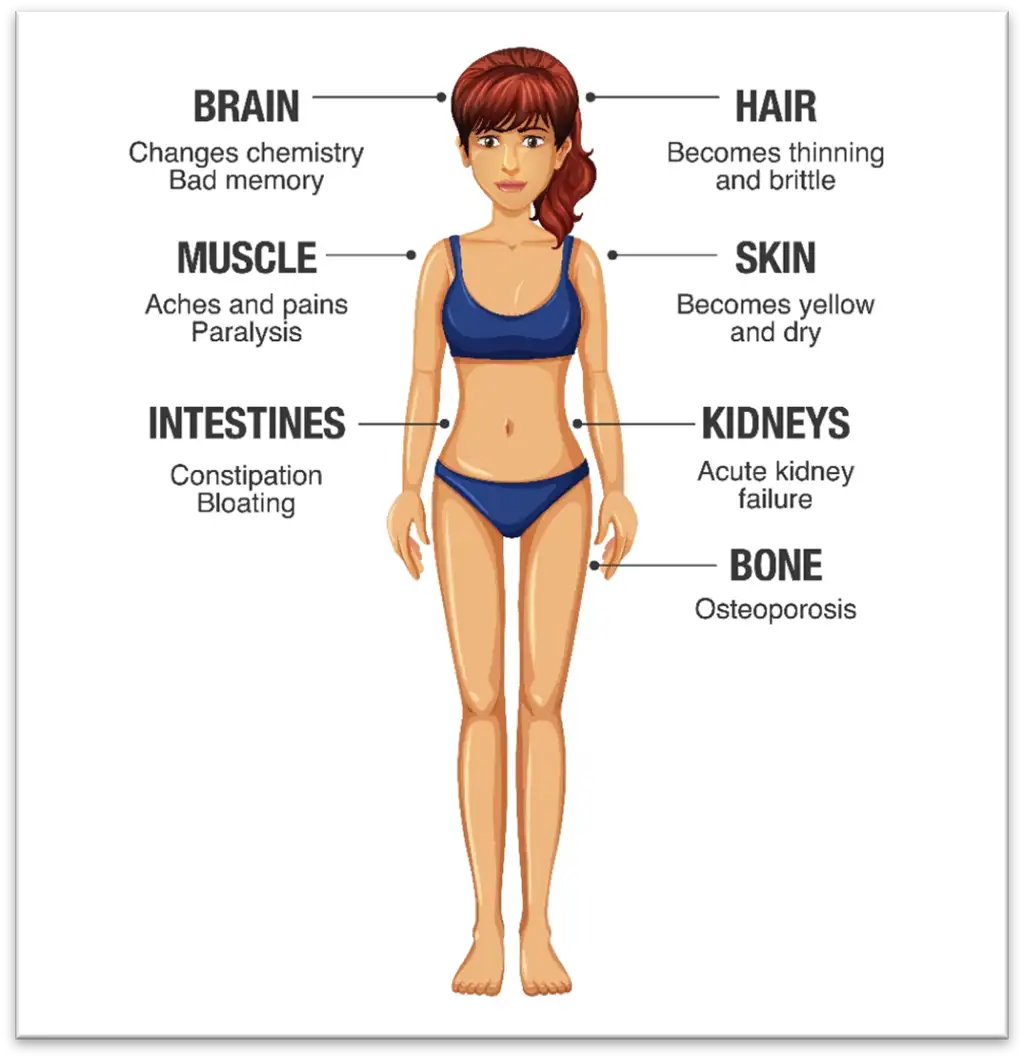
These are not just “dieting” behaviours, they may signal a deeper, developing pattern.
How Parents Usually First Notice an Eating Disorder (And What to Trust)
- In interviews, it was found parents often spot changes in eating patterns first, like more rigidity, skipping meals, strange food rules (Rosello et al., 2022)
- It’s common for weight concerns or shape worries to show up long before a formal diagnosis: parents in one study reported noticing these issues a year or more before referral to a specialist (Rosello et al., 2022).
- Some parents hold back. They may hesitate to act on early suspicions because they’re unsure (Ciao et al., 2022)
- Research indicates parents generally seek professional help or encourage eating when they notice behaviours (Ciao et al., 2022)
Physical & Emotional Clues to Watch For
Here are some warning signs that might pop up in behaviour or mood:
Physical / behavioural changes:
Avoiding food or declining to eat in front of others
- Secretive eating (eating alone, hiding food)
- Rigid food rituals or cutting out entire food groups
- Excessive or compulsive exercising
- Frequent check-ins about weight or shape
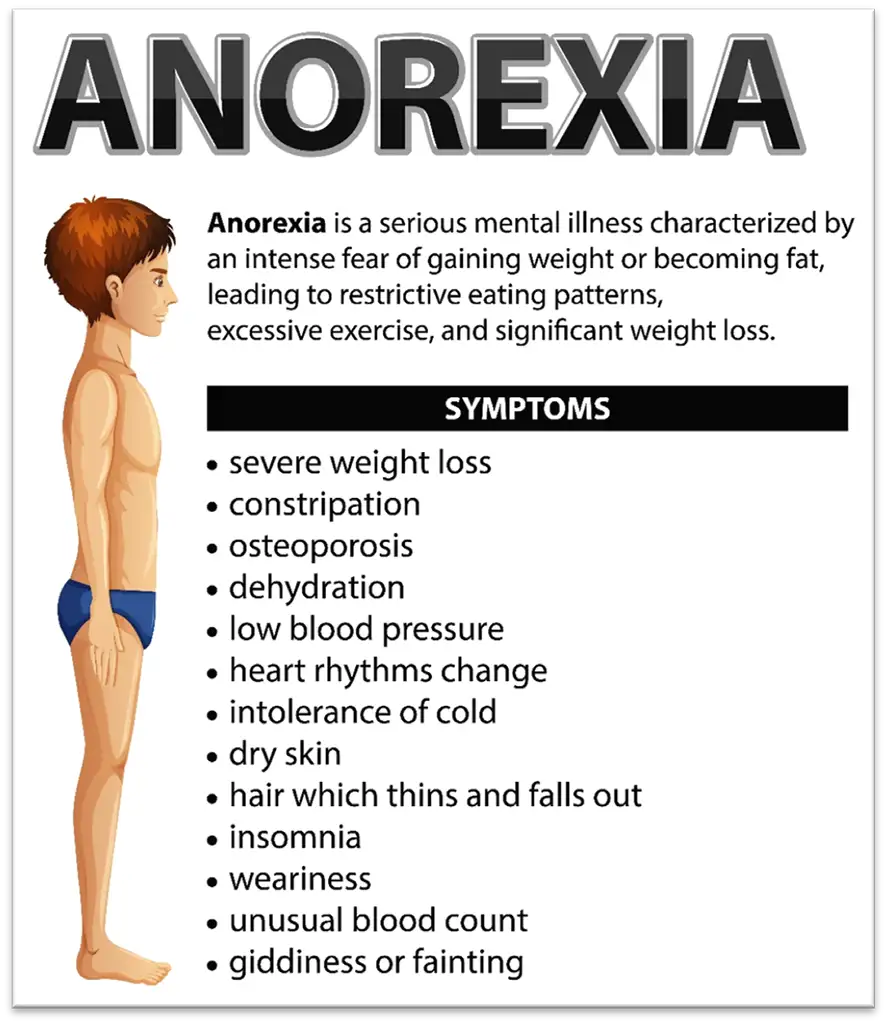
Emotional or psychological changes:
- Increasing anxiety around meals or food preparation
- Low mood, irritability, or mood swings
- Body dissatisfaction, distorted self-image, fear of weight gain
- Obsession with “healthy eating” or “clean eating” to a point that causes stress
Special Considerations: Cultural and Community Factors
- In Aboriginal Australian communities, current research shows limited culturally specific screening and early intervention tools for eating disorders; a significant gap (Castro et al., 2025)
- That means parents, schools and clinicians may need to be extra vigilant and advocate for culturally safe care and early assessment.
What You Can Do as a Parent
If you have concerns, here are practical steps:
- Trust your instincts: If something feels off, an increased focus on food, shifting eating patterns, secretive behaviour, then pay attention and take note.
- Start a conversation gently: Ask open-ended questions: “I’ve noticed you’re not eating like you used to, how are things going for you lately?”
- Seek help early: Talk to your GP, a paediatrician or a psychologist who is trained in eating disorders. Early intervention is key.
- Build a supportive environment: Encourage family meals, model balanced eating, and avoid negative talk around weight or dieting.
- Stay informed: Use reliable resources (e.g., Butterfly Foundation in Australia) and health professionals to learn more about signs and supports.
Final Thoughts
I believe that parents’ care, awareness and early action are powerful tools in preventing more serious eating disorders. By noticing changes, even subtle ones, and responding with empathy and prompt support, you can help protect your child’s mental and physical health.
If you’re ever unsure, it’s better to get a professional opinion earlier rather than later.
Your involvement could make all the difference.
Written by Maryam Qureshi, Registered Psychologist
ALL Images Courtesy of FREEP!K
If you’d like to find out more about One Central Health, give us a call today on (08) 9344 1318.
References
Ciao, A. C., Lebow, J., VandenLangenberg, E., Ohls, O., & Berg, K. C. (2020). A qualitative examination of adolescent and parent perspectives on early identification and early response to eating disorders. Eating Disorders: The Journal of Treatment & Prevention, 30(2), 173–193. https://doi.org/10.1080/10640266.2020.1805960
de Castro, G., Taylor, K., Hay, P., McCalman, J., & Maguire, S. (2025). Validated and culturally specific screening tools and early response programs for the detection and prevention of eating disorders among First Nations peoples in Australia: A scoping review. Journal of Eating Disorders, 13, Article 25. https://doi.org/10.1186/s40337-025-01334-7
Koreshe, E., Paxton, S. J., Miskovic-Wheatley, J., Bryant, E., Le, A., Maloney, D., National Eating Disorder Research Consortium, Touyz, S., & Maguire, S. (2023). Prevention and early intervention in eating disorders: Findings from a rapid review. Journal of Eating Disorders, 11, Article 38. https://doi.org/10.1186/s40337-023-00758-3
Morris, A., Elliott, E. J., & Madden, S. (2022). Early-onset eating disorders in Australian children: A national surveillance study showing increased incidence. International Journal of Eating Disorders, 55(12), 1838–1842. https://doi.org/10.1002/eat.23794
Pennesi, J. L., Jabs, M., Baillie, S., Hart, L., Hay, P., Mitchison, D., Norton, L., Prnjak, K., & Wade, T. D. (2025). Early warning signs for eating disorders in children: A realist synthesis of websites summarizing caregiver and consumer perspectives. International Journal of Eating Disorders, 58(3), 345–360. https://doi.org/10.1002/eat.24359
Roselló, R., Gledhill, J., Yi, I., Watkins, B., Harvey, L., Hosking, A., & Nicholls, D. (2021). Recognition and duration of illness in adolescent eating disorders: Parental perceptions of symptom onset. International Journal of Eating Disorders, 54(11), 2023–2031. https://doi.org/10.1002/eat.23616