
What is Positive Behaviour Support (PBS)?
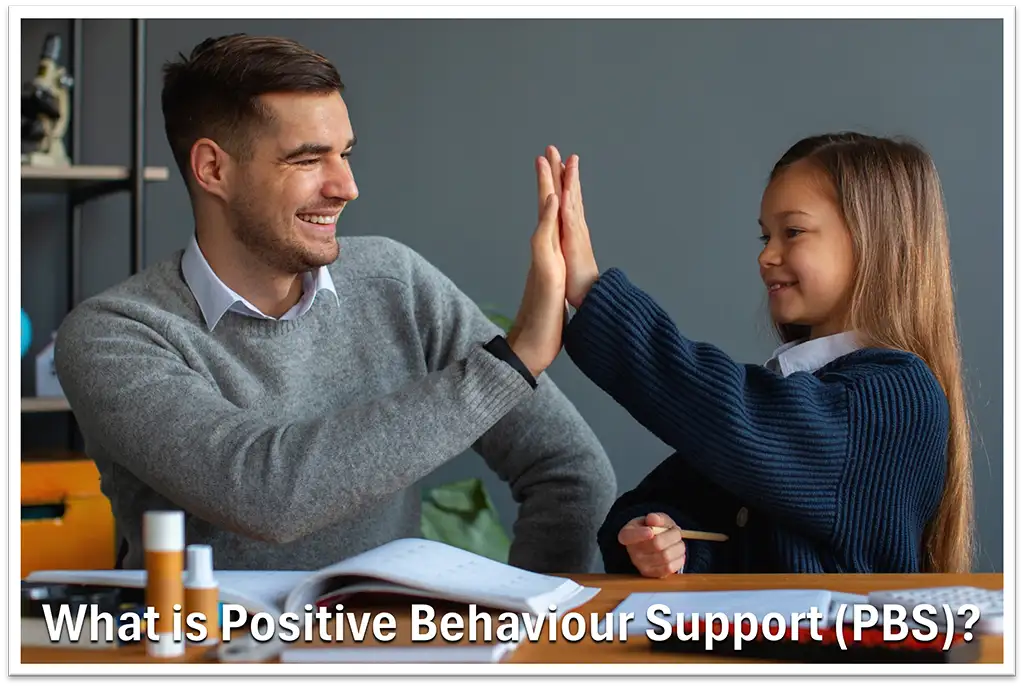
Positive Behaviour Support (PBS) is a person-centred, evidence-based approach that aims to improve quality of life and reduce behaviours of concern.
Rather than focusing on “managing” behaviour, PBS focuses on understanding it.
PBS recognises that all behaviour happens for a reason. When we understand the reason, we can support the person in safer, more effective ways.
The goal of PBS is simple:
Help people live meaningful, safe and fulfilling lives.
Understanding Behaviour
All behaviour communicates something.
Behaviours of concern (sometimes referred to as “challenging behaviour”) usually occur because a person is trying to:
- Communicate a need.
- Escape or avoid something difficult.
- Gain connection or attention.
- Access something important to them.
- Regulate sensory or emotional overwhelm.
When someone does not yet have the skills, communication tools, or environmental supports they need, behaviour can become their most effective way of being understood.
PBS helps us ask:
What is this behaviour telling us?
What Are Behaviours of Concern?
Behaviours of concern can vary greatly from person to person. They may include:
- Physical aggression
- Verbal aggression
- Self-injury
- Property damage
- Absconding or running away
- Refusal or withdrawal
These behaviours can impact the person themselves, their family, and those around them. Most importantly, they often signal unmet needs or skill gaps.
PBS works to reduce these behaviours by addressing the underlying cause, not just the observable behaviour.
How Does Positive Behaviour Support Work?
1. Information Gathering (Assessment)
PBS begins with understanding the whole person.
This includes:
- Conversations with the individual.
- Family and support network input.
- Observations across environments.
- Review of medical and therapeutic information.
- Data collection on when and why behaviours occur.
This process is called a Functional Behaviour Assessment (FBA).
It helps identify patterns and the purpose of behaviour.
2. Creating a Behaviour Support Plan
Using assessment findings, a personalised Behaviour Support Plan is developed.
This plan focuses on:
- Proactive strategies to prevent behaviours of concern.
- Teaching new skills (e.g., communication, emotional regulation, independence).
- Environmental adjustments.
- Clear response strategies for supporters.
- Safety planning where required.
- Reducing and eliminating restrictive practices where possible.
Every plan is individualised. There is no “one-size-fits-all” approach.
The aim is always:
- Increase quality of life.
- Increase independence.
- Increase safety.
- Reduce stress for everyone involved.
3. Skill Building
A core part of PBS is teaching replacement skills.
Instead of asking someone to “stop” a behaviour, we teach them what to do instead.
For example:
- Teaching a person to request a break instead of leaving the classroom
- Teaching emotional regulation strategies
- Teaching communication skills
- Teaching coping strategies for anxiety or sensory overload
PBS builds capacity — it does not rely on punishment.
4. Collaboration and Implementation
PBS is a team approach.
Families, support workers, teachers, therapists and the individual themselves are all involved in implementing strategies consistently.
Clear guidance is provided so everyone understands:
- How to respond safely if behaviours escalate.
- Why behaviours occur.
- What to do proactively.
5. Ongoing Review
Behaviour Support Plans are reviewed regularly.
Data is collected to monitor:
- Frequency
- Intensity
- Duration
- Impact
If strategies are not working, they are adjusted.
PBS is dynamic and responsive.
Why Use Positive Behaviour Support?
PBS is:
- Evidence-based.
- Ethical and rights focused.
- Person-centred.
- Strengths-based.
- Long-term focused.
It promotes dignity, autonomy and meaningful participation in everyday life.
Rather than controlling behaviour, PBS empowers individuals to have their needs met in positive, safe and effective ways.
The Heart of PBS
At its core, Positive Behaviour Support is about:
- Seeing the person beyond the behaviour.
- Understanding before intervening.
- Teaching rather than punishing.
- Supporting rather than controlling.
- Improving quality of life for the person and their network.
When behaviour changes, it’s because life has improved.
Blog Written by Ciana Cripps – Positive Behaviour Support & ABA Therapy Practitioner
ALL Images Courtesy of FREEP!K
If you’d like to find out more about One Central Health, give us a call today on (08) 9344 1318.