
Reading Readiness Starts at Home — Before School Even Begins
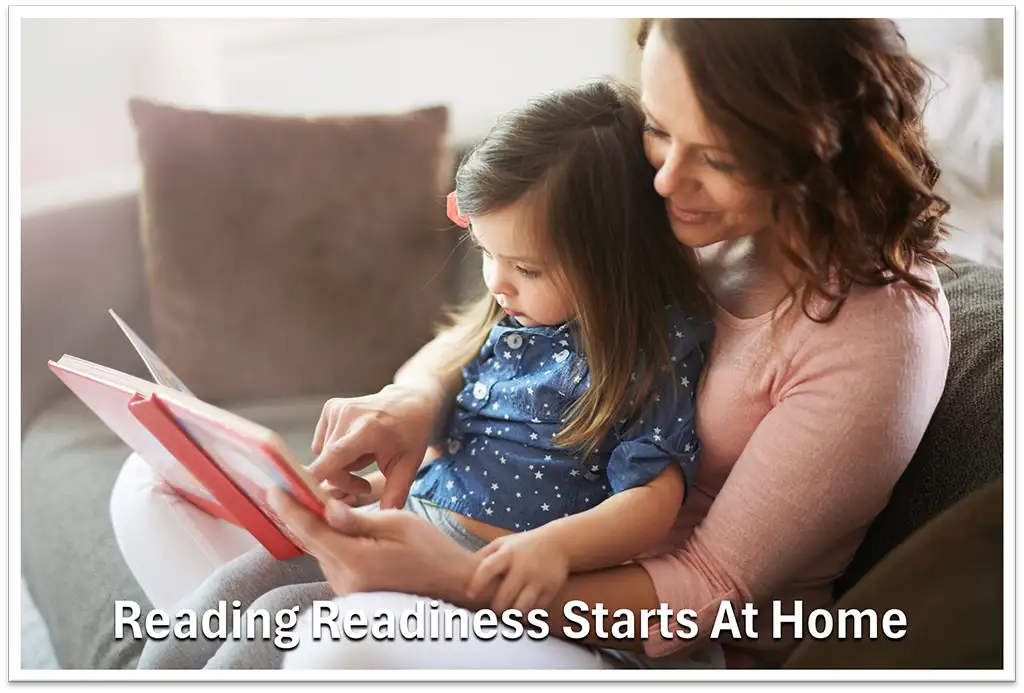
Your Child’s Reading Journey Starts Earlier Than You Think
As a parent, you might assume that learning to read begins on the first day of school. But research tells us something different — and quite exciting: the foundations of reading are being built long before your child ever opens a textbook. In fact, they start from birth.
Every time you chat with your child over breakfast, point out words on a cereal box, sing a nursery rhyme, or snuggle up for a bedtime story, you are quietly building their reading brain. These everyday moments matter far more than most parents realise.
Why Reading Skills Are Declining
Around the world, children’s reading scores have been falling. Global data shows that many children are arriving at school without the foundational skills they need to become confident readers. This isn’t just a school problem. It starts at home, in the early years, and it starts early.
Two Sets of Skills That Matter
Scientists who study reading have identified two skill sets that form the building blocks of
literacy:
- Meaning-related skills – things like vocabulary, background knowledge, and the
ability to understand and retell a story.- It includes the depth and breadth of words the children can say and understand.
- Background knowledge: The facts, ideas and experiences that children have about the world that help them relate to and understand what they read.
- Breaking down concepts in language – the ability to use language in sophisticated ways to discuss topics beyond the here-and-now (making predictions or thinking outside the box)
- Story comprehension: Having complete understanding of what is conveyed in a story through the words and pictures (reading within the lines)
- Inferencing: Understanding what isn’t exactly in the words and pictures (reading between the lines and beyond)
- Code-related skills – things like recognising that words are made up of sounds
(phonological awareness), knowing letter names, and understanding that print carries
meaning- Recognising that language can be broken down into smaller units of sounds.
- Learning to recognise rhymes, syllables, and first sounds in words (e.g.: /ball/starts with the sound /b/)
- Alphabet knowledge: recognising letters
- Letter-sound correspondence: Knowing which letter goes with the spoken word.
The good news? You don’t need flashcards or formal lessons to build these skills. You just need everyday interactions — and a few simple strategies.
What You Can Do at Home
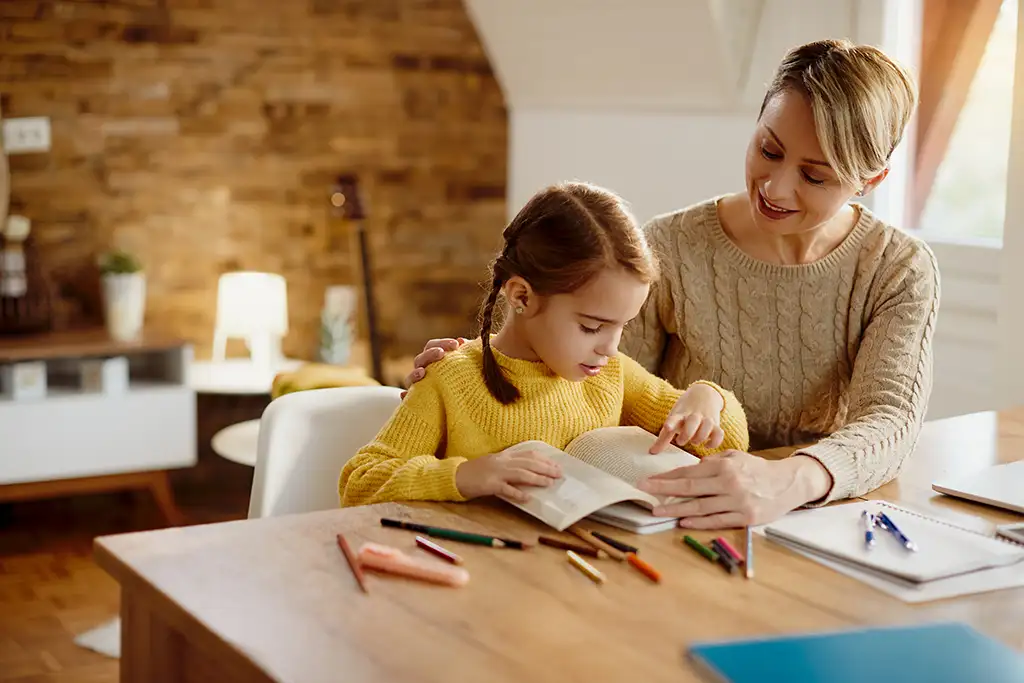
Here are some easy ways to support your child’s emerging literacy during daily life:
- Talk a lot – narrate what you’re doing, ask questions, and have back-and-forth conversations. Vocabulary grows through rich conversation.
- Read together every day – pause to talk about the pictures, predict what might happen next, and ask “why” questions. This builds comprehension and thinking skills.
- Play with sounds – sing songs, clap syllables in words, and play rhyming games. These are the foundations of phonological awareness.
- Notice print in the world – point out signs, labels, and logos. Show your child that print is everywhere and that it means something.
None of this needs to feel like a lesson. The most powerful learning happens when it’s playful, warm, and part of your normal routine.
The Preschool Years Are a Critical Window
Brain research now shows that the regions of the brain involved in reading are already developing in infancy. The preschool years — roughly ages two to five — are a particularly important window for building these foundations. Children who arrive at school with strong oral language, phonological awareness, and print knowledge have a significant head start.
Waiting until school to think about reading readiness means missing years of valuable opportunity.
When to Seek Support
If you have any concerns about your child’s speech, language, or communication development — or you’d simply like some guidance on how to best support their early literacy — a speech pathologist can help. Early support makes a real difference. At One Central Health, our speech pathologists work with children and families to build strong communication and literacy foundations from the early years. Get in touch with our team to find out how we can support your child.
Blog Written by Joy James – Speech Pathologist.
ALL Images Courtesy of FREEP!K
If you’d like to find out more about One Central Health, give us a call today on (08) 9344 1318.