

A Day in the Life of a Positive Behaviour Support Clinician at One Central Health
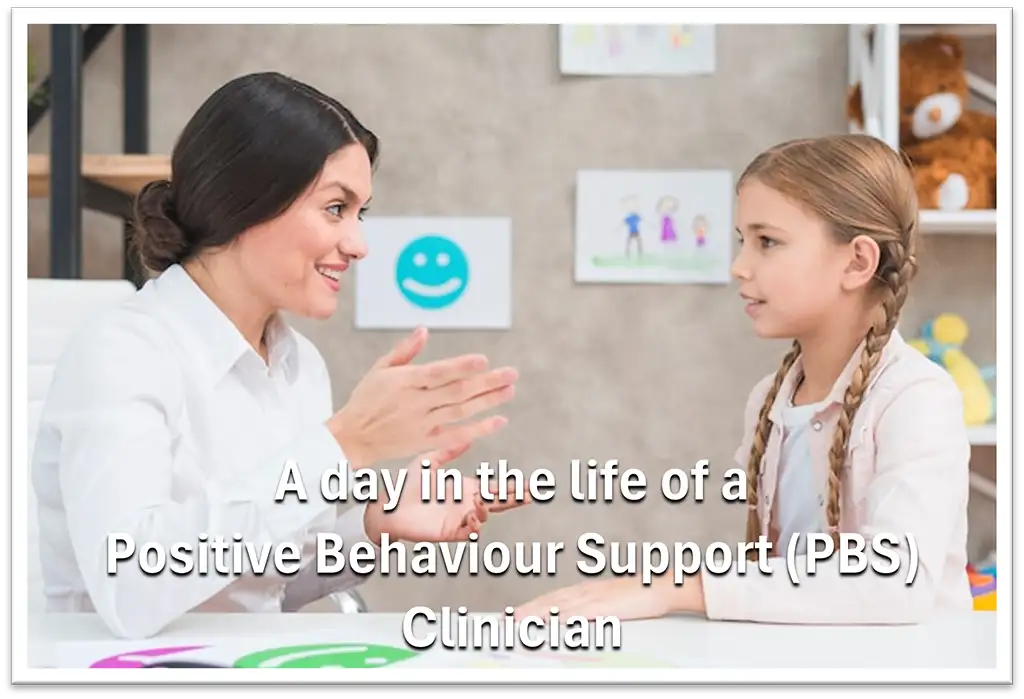
What is it really like to work as a Positive Behaviour Support (PBS) clinician?
If you’re considering a career in allied health, Positive Behaviour Support is a role that combines clinical knowledge, problem-solving, relationship building and a genuine desire to improve people’s quality of life.
At One Central Health, our PBS practitioners work with children, adolescents and adults, alongside families, support workers, schools and other professionals. The work is varied, collaborative and — importantly — no two days are exactly the same.
So, what might a typical day look like?
9.00 AM — Start the day and check your caseload
The morning might begin with a coffee, checking emails and reviewing your appointments for the day.
PBS work isn’t simply about attending appointments. There is often preparation involved before you meet with a client or their support team.
You might review:
- Previous clinical notes
- Behaviour data
- Existing behaviour support plans
- Reports from other professionals
- Information provided by families or support workers
- Progress since your last appointment
- Upcoming assessments or reports
You might also have a quick conversation with another clinician about a client you’re both supporting.
This is one of the advantages of working within a multidisciplinary team. At One Central Health, PBS clinicians work alongside professionals including psychologists, occupational therapists and speech pathologists.
Sometimes the question isn’t simply “What behaviour is happening?”
It’s: “What might this person be communicating, and what can we change to make their life easier?”
9:30 AM — A client consultation
Your first appointment might be with a client and their family.
Rather than simply focusing on reducing a behaviour, PBS starts with understanding the person.
- What are they trying to communicate?
- What happens immediately before the behaviour?
- What happens afterwards?
- What environmental factors might be contributing?
- What skills might the person need?
And perhaps most importantly:
- What would make this person’s life better?
At One Central Health, PBS is based on understanding the individual’s needs and working with the person and their supporters to identify appropriate supports. The goal is to improve quality of life while reducing the need for behaviours of concern.
That means an appointment might involve observation, discussion, assessment, skill development or working through strategies with a family.
You might finish the session with a completely different understanding of what is happening than when you walked in.
And that’s part of what makes PBS so interesting.
11.00 AM — Functional Behaviour Assessment work
Back at the clinic, you might spend some time working on a Functional Behaviour Assessment (FBA).
This is where your detective skills come out.
You might be looking at patterns in behaviour data and asking:
- When does the behaviour happen?
- When doesn’t it happen?
- What tends to happen immediately beforehand?
- What does the person gain or avoid?
- What skills or environmental changes could make the behaviour less necessary?
At One Central Health, comprehensive PBS plans can include a Functional Behaviour Assessment, consultation with the person and their supports, and the development of appropriate support strategies and protocols.
For clinicians who enjoy problem-solving, this can be one of the most rewarding parts of the job, you’re taking a complex situation and trying to understand the why behind it.
12.00 PM — Team collaboration
Your next meeting might not involve the client directly. It could be a discussion with an occupational therapist, psychologist, speech pathologist, teacher, support coordinator or family member.
This is where multidisciplinary practice really comes into its own. For example, a behaviour might appear to be related to “non-compliance”, but another professional may identify a communication difficulty, sensory issue, anxiety or environmental demand that changes the way you understand the situation.
At One Central Health, multidisciplinary practice is a key part of how we work, with clinicians able to collaborate across disciplines and clinics.
You don’t have to figure everything out by yourself. Sometimes the best clinical decision comes from asking:
“What am I missing?”
1:00 PM — Lunch
Yes, PBS clinicians get lunch too!
And ideally, lunch is a chance to step away from your computer, catch up with colleagues and reset before the afternoon. Working in allied health can be demanding, particularly when supporting people with complex needs. Having colleagues around you who understand the work can make a significant difference.
1:30 PM — Writing a Behaviour Support Plan

The afternoon might be dedicated to report writing, which could mean developing a new Positive Behaviour Support Plan or reviewing an existing plan.
This is where clinical reasoning becomes practical. You’re taking everything you’ve learned about the person and translating it into strategies that can actually be used by the people supporting them.
A good behaviour support plan shouldn’t simply sit in a file. It needs to be understandable, realistic and to make sense for the person’s actual life.
At One Central Health, PBS plans focus on understanding the person’s needs and providing their families and support networks with strategies to better support them.
3:00 PM — Supporting the support team
Your next appointment might be with a group of support workers.
This could involve talking through a behaviour support plan, demonstrating strategies, discussing data collection or helping staff understand why a particular approach has been recommended.
This part of the job is particularly important. A clinician can develop the most sophisticated plan in the world, but if the people supporting the client don’t understand it or don’t feel confident implementing it, it isn’t going to achieve much.
PBS is therefore as much about teaching and collaboration as it is about assessment.
4:00 PM — Supervision and professional development
One of the best parts of working in a supportive clinical environment is having time to reflect on your own practice.
You might meet with a supervisor to discuss a complex case.
Perhaps you’re unsure about your formulation, or you’re considering how to approach a difficult conversation with a family. Perhaps you’re simply looking for another perspective.
At One Central Health, clinicians receive one-on-one and group mentorship designed to develop technical, clinical and interpersonal skills. The organisation also promotes career growth and opportunities to develop leadership and management skills.
For an early-career clinician, this can be incredibly valuable.
You don’t need to have all the answers. You need to have people you can learn from.
4:30 PM — One last client or telehealth appointment
Depending on your schedule, the final part of the day might involve another client consultation. This could be in the clinic, in the community or via telehealth.
One Central Health provides services across WA, including clinic-based and telehealth options, allowing clinicians to work with clients across different locations and circumstances.
And because PBS supports people across the lifespan, your afternoon could look completely different from your morning.
You might work with a young child in one appointment and an adult in the next.
You might be supporting a family, a school or a supported accommodation team.
Or you might be working on communication, independence, emotional regulation, safety or reducing behaviours of concern.
Variety is one of the great things about PBS.
5:00 PM — Finish the day
Before finishing, you might update your notes, send a couple of emails, prepare for tomorrow and make sure any important follow-ups are organised.
And then you’re done.
Tomorrow could involve a completely different group of clients, different challenges and different clinical questions. That’s the reality of working in Positive Behaviour Support.
So, what makes PBS a great career?
PBS is a particularly rewarding career for people who enjoy:
Problem-solving
You rarely get a straightforward puzzle. You need to look at the whole person and their environment.
Building relationships
Much of your success depends on building trust with clients, families and support teams.
Clinical reasoning
You need to interpret information, identify patterns and develop evidence-based strategies.
Creativity
Sometimes the best solution isn’t the most obvious one.
Working with people
PBS is fundamentally collaborative. The person receiving support should be at the centre of the process.
Making a meaningful difference
The ultimate goal isn’t simply to reduce a behaviour. It’s to help people have greater independence, dignity, participation and quality of life.
Starting your PBS career at One Central Health
If you’re looking for your first role in Positive Behaviour Support, the environment you start in matters.
At One Central Health, PBS clinicians work as part of a multidisciplinary team, with access to mentorship, professional development and opportunities for career growth. The PBS team includes practitioners and supervisors with experience across different areas of behavioural practice.
You don’t need to walk through the door knowing everything.
You need curiosity, a willingness to learn, compassion and you need to be willing to ask questions.
Because becoming a great PBS clinician isn’t about having all the answers when you graduate.
It’s about developing the skills to ask better questions.
And sometimes, the most important question of all is:
“How can we make this person’s life better?”
At One Central Health, that’s where the work begins.
Interested in starting your PBS career? One Central Health welcomes expressions of interest from clinicians at different stages of their careers, including new graduates, with mentorship, multidisciplinary experience and career development opportunities available.
If you’d like to find out more about One Central Health, contact us today via our enquiry form or by calling (08) 9344 1318.
Disclosure: This article was written with the assistance of Ai. It is for general information purposes only, and not intended to replace professional advice. Please verify critical facts independently with a healthcare professional.
ALL Images Courtesy of FREEP!K/Magnific