
Teaching Life Skills Through Play
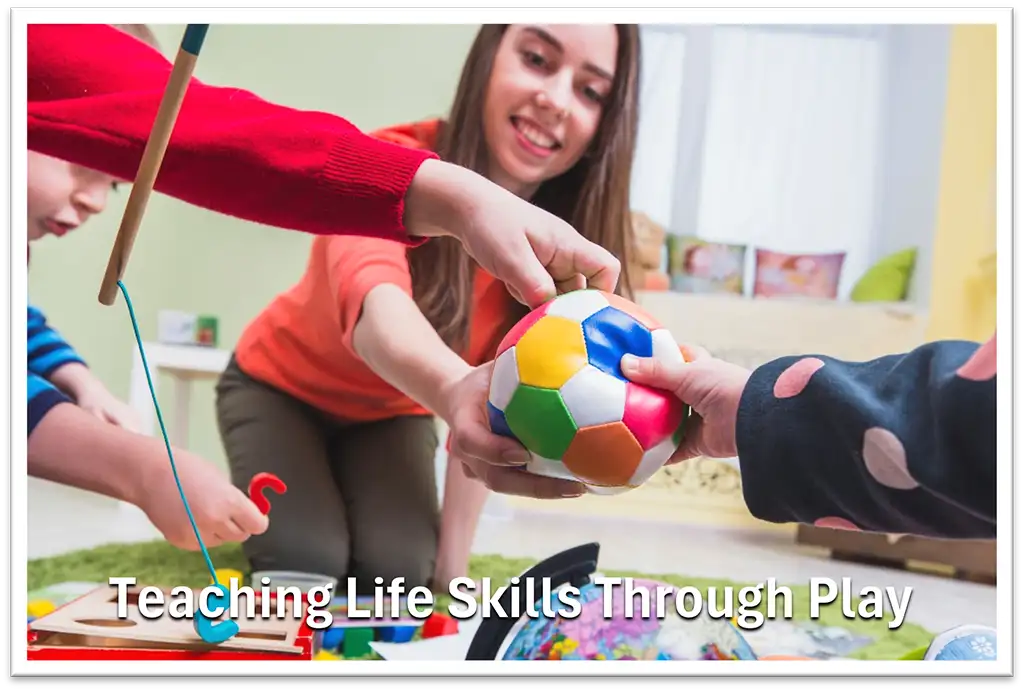
Learning to get dressed, make a snack, pack a school bag, clean up, or manage personal belongings can take time. For children, practicing these everyday skills doesn’t always have to feel like work.
Play provides a fun and natural way to introduce life skills while building confidence, independence, and problem-solving.
Occupational Therapists (OT’s) often use children’s interests and everyday occupations to make skill development meaningful and motivating.
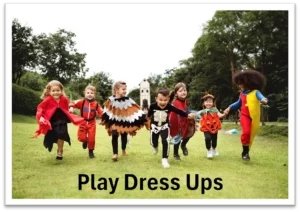
Practice dressing through pretend play:
Dressing involves many skills, including coordination, sequencing, balance and fine motor control.
Try at home:
- Dress dolls, teddies, or action figures.
- Practice opening and closes zips, button, and velcro.
- Having a “getting ready” race with a teddy.
- Let your child choose clothes for a toy and explain the steps to you.
- Practice dressing skills when there is no time pressure.
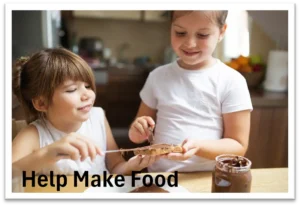
Turn snack time into a learning opportunity:
Food preparation can teach much more than cooking.
Try at home:
- Let your child help spread, scoop, pour or stir.
- Practice opening lunch boxes and containers.
- Ask your child to collect the ingredients they need.
- Follow a simple visual recipe together.
- Encourage your child to help clean up afterwards.
These activities can build coordination, sequencing, problem-solving, and independence.
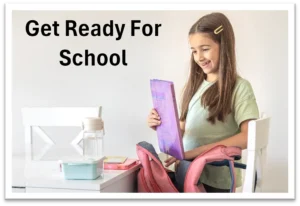
Play “Getting Ready for School”:
School routines involve many life skills that can be practiced through play.
Try at home:
- Have your child pack a pretend school bag.
- Use a visual checklist of what they need.
- Practice opening their lunchbox and drink bottle.
Turn cleaning into a game:
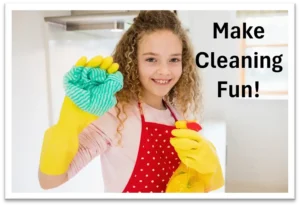
Household chores are important opportunities for children to develop independence.
Try at home:
- Have a times “clean-up challenge.”
- Ask your child to sort toys into different categories.
- Let them wipe tables or put clothes away.
- Make a game of matching socks.
- Use music to make pack-away time more engaging.
Remember the goal isn’t to do the task perfectly – it’s to give your child opportunities to participate.
Play shops:
Pretend shopping can teach a surprising amount of skills to a child.
Try at home:
- Set up pretend shop using household items.
- Give your child a shopping list.
- Ask the to find specific items.
- Practice counting coins or pretend money.
- Take turns being the customer and shopkeeper.
- Practice asking for an item and saying thank you.
These activities can support social communication, planning, numeracy, decision-making, and community engagement.
Start with what your child loves:
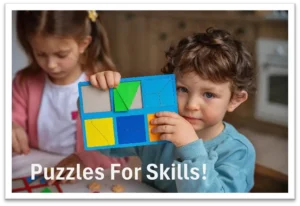
Every child has activities they naturally gravitate towards. These interests can be a valuable starting point for an OT because children are often more engaged, motivated, and willing to try new things when therapy connects with something they already enjoy.
For example:
- A child who loves Lego might enjoy building challenges that involves following instructions, problem-solving, and fine motor skills.
- A child who loves Minecraft might be motivated by activities involving planning, creativity, organisation, and sequencing.
- A child who loves sport might be motivated by activities that involve coordination, turn-taking, following rules or teamwork.
Your child’s interests aren’t just something an OT can use to make an activity fun. They can provide valuable insights into what motivates your child, how they approach challenges, what they enjoy, and where their strengths lie.
Build problem solving skills:
Life doesn’t always go according to plan. Play gives children a safe space to practice what to do when something goes wrong.
Try asking:
- What cold we try?
- What do you think we should do next?
- Is there another way?
- What could we change?
- Who could we ask for help?
Try to give your child time to think before stepping in to solve the problem for them.
Encourage participation, not perfection:
Children don’t need to master a life skill immediately. They need opportunities to practice.
Try to:
- Break activities into manageable steps.
- Give your child enough time to attempt the task.
- Offer help when required.
- Use prompts and gradually reduce supports.
- Praise effort and persistence.
- Celebrate small improvements.
Everyday activities are learning opportunities:
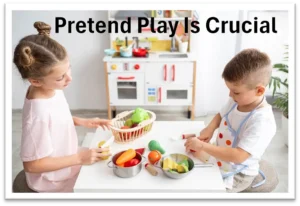
You don’t need expensive equipment or complicated therapy activities to help your child develop life skills.
Play can become practice. Practice can become confidence. And confidence can support greater independence in everyday life.
The next time your child asks to play, think about how their favourite game could become an opportunity to practice a skill they’ll use in real life.
Blog Written by: Shivonn Jones.
If you’d like to find out more about One Central Health, contact us today via our enquiry form or by calling (08) 9344 1318.
ALL Images Courtesy of FREEP!K/Magnific